
Reviewed · PUNTA CANA
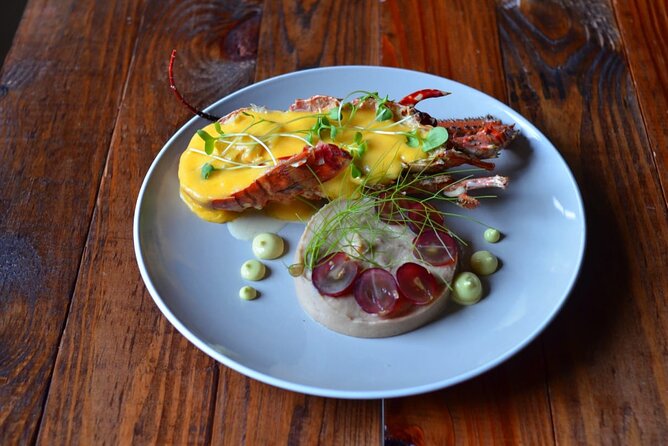
Caribbean Lobster
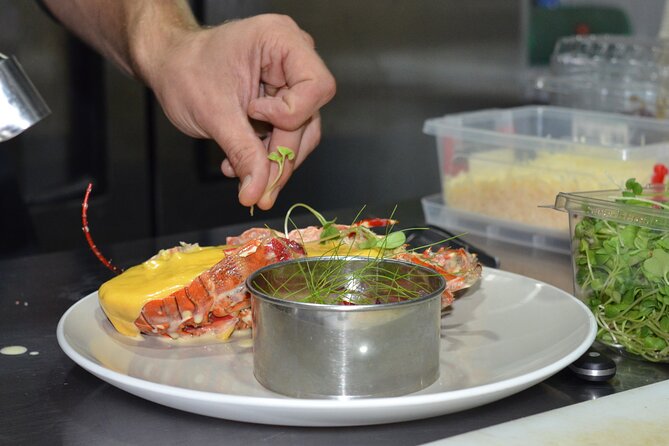
The best part of this Punta Cana outing is that dinner is not simply placed in front of you. At Oliver Lab by Taino Gourmet, you help prepare a Dominican seafood meal built around Caribbean lobster, lambí, shrimp, plantain, and yuca. It gives you a taste of local foodways that an all-inclusive dining room cannot match.
I like the practical cooking lesson and the relaxed mix of food, rum, and conversation. I also like the convenient hotel pickup, since the tour lasts about three hours and begins at 2:30 pm, leaving you with the rest of the evening. The main caution is that the hands-on teaching can vary. Some sessions have been patient and well organized, while another was rushed, with food prepared in advance and lobster overcooked.
In This Review
- Key things to know before booking
- Arriving at Oliver Lab at 2:30 pm
- Learning how Dominican fishers catch seafood
- The cooking class: hands-on, but not always equally hands-on
- Caribbean lobster, lambí, shrimp, and Dominican sides
- Rum tasting, two drinks, and dessert
- Is the three-hour format good value at $125?
- Who will enjoy this Punta Cana cooking class?
- Practical details that affect your day
- Should you book Caribbean Lobster?
- FAQ
- Where does the cooking class take place?
- What time does the activity start?
- How long does the experience last?
- Is hotel pickup included?
- What seafood will be used?
- Are food and drinks included?
- Is a rum tasting part of the experience?
- Can children participate?
- How large can the group be?
- Can I cancel for a full refund?
Key things to know before booking
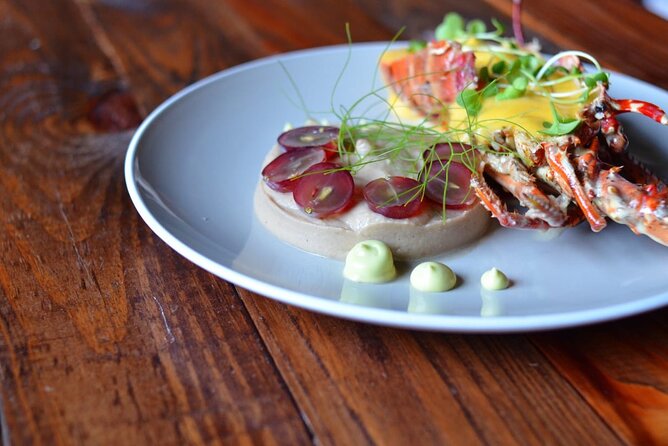
- Three kinds of seafood: The planned meal uses lobster, lambí, and shrimp, with Dominican staples such as plantain and yuca.
- Cooking with a guide: You receive utensils and step-by-step instruction, though the amount of work you do may depend on the chef leading your class.
- A full evening meal: Dinner, dessert, beverages, and two alcoholic drinks are included.
- Rum is part of the experience: Oliver rum and a tasting are included, adding a distinctly Dominican touch.
- Easy hotel transfers: Pickup and drop-off are included, with a driver or guide handling the transportation.
- Small maximum group: The class is capped at 18 people, though that can still feel fairly busy around a cooking station.
Arriving at Oliver Lab at 2:30 pm
Your afternoon begins with pickup from your hotel and a transfer to Oliver Lab by Taino Gourmet. That is a useful feature in Punta Cana, where resort areas are spread out and arranging a taxi for an evening food activity can be more trouble than it is worth.
The experience lasts about three hours. Since the listed start time is 2:30 pm, you should expect a late-afternoon cooking session that runs into an early dinner. The schedule works well if you want a break from the beach or need an indoor plan for a rainy day. One family found it especially useful on wet weather day, when outdoor plans were less appealing.
The setting has been described as clean and modern, though it is located in a small mall rather than in a rural fishing village or a traditional family kitchen. That distinction matters. You are getting a polished food workshop that explains Dominican ingredients and fishing traditions, not a staged visit to a working fishing community.
Other Punta Cana days people book alongside this one:
- Adventure Bundle: Monkeyland, Ziplines & Buggies Punta Cana
★ 5.0 · 10,715 reviews - Private Airport Punta Cana to La Romana Bayahibe or Casa de Campo Resort Area
★ 5.0 · 6,662 reviews - Punta Cana Zipline Adventure with Buggies and Horseback Riding
★ 5.0 · 5,001 reviews
Learning how Dominican fishers catch seafood
The chef begins by discussing old Dominican fishing traditions, including how local fishers catch lobster, lambí, and shrimp. This introduction gives the meal some context. You are not just handling ingredients from a supermarket counter. You learn how several important seafood products fit into Dominican cooking and coastal life.
The plan uses three types of seafood in the Caribbean Lobster Delight. Lobster receives the most attention, but lambí and shrimp add variety to the meal. Lambí, also called conch, is a familiar Caribbean ingredient with a firmer texture than shrimp. If you have never tried it, this is a useful chance to encounter it as part of a guided meal.
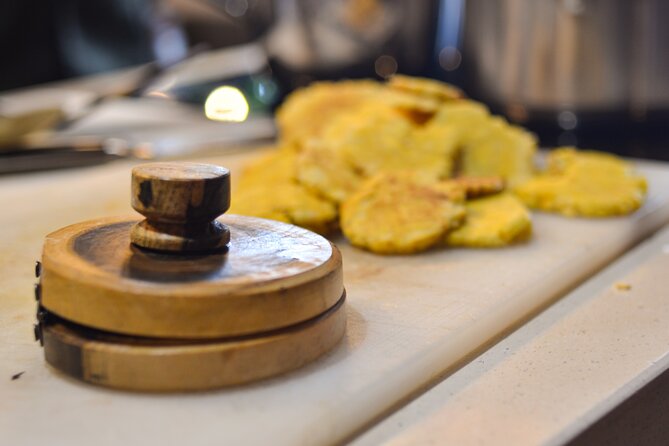
The class also includes plantain and yuca, two staples that help make the meal feel distinctly Dominican. These ingredients are important because they show how a local plate is built around more than seafood alone. You get the richness of lobster with starchy, filling sides that are common across the Caribbean.
The exact pace depends on the chef. Rudy, also spelled Ruddy in the feedback, has led sessions described as welcoming and entertaining. Ruth has been praised for working patiently with children, and Francesca has led family classes with a friendly, hands-on approach. The provider may also use a multilingual guide, so ask for clarification if the instructions are moving too quickly or if measurements are unfamiliar.
The cooking class: hands-on, but not always equally hands-on
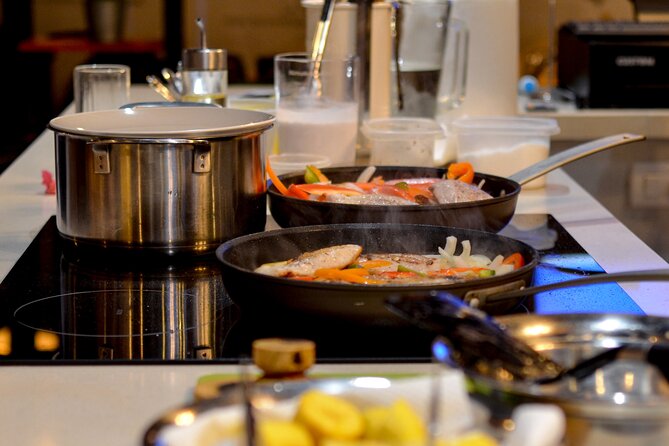
This is designed for beginners. You receive utensils and follow the chef’s steps rather than arriving with any special cooking skill. For a family or couple, the appeal is clear: you prepare much of the meal together, then eat what you made.
The strongest sessions give you room to participate. You might help with ceviche, lobster, mashed potatoes, or the vegetable sides, depending on the chef and menu that day. One family particularly enjoyed having the adults and children take part, while another couple considered the cooking the best part of their week in Punta Cana.
Still, I would keep expectations sensible. A cooking class for up to 18 people cannot give every person constant access to the stove. One less successful session felt rushed, with much of the food already prepared and the chef controlling most of the cooking. The lobster was also not cleaned before boiling and ended up overcooked.
That does not mean every class has the same problem. It does mean you should speak up early. Ask what you will be preparing, request a clear view of the demonstration, and tell the chef if you want to do more of the cutting, mixing, or cooking. If you are booking mainly for a serious culinary lesson, this variation is worth considering.
The use of European-style measurements has also caused confusion for at least one person. If you are more comfortable with cups and tablespoons, ask the chef to convert the amounts. A multilingual format can be helpful, but it may also make the lesson less clear when the kitchen is busy.
Caribbean lobster, lambí, shrimp, and Dominican sides
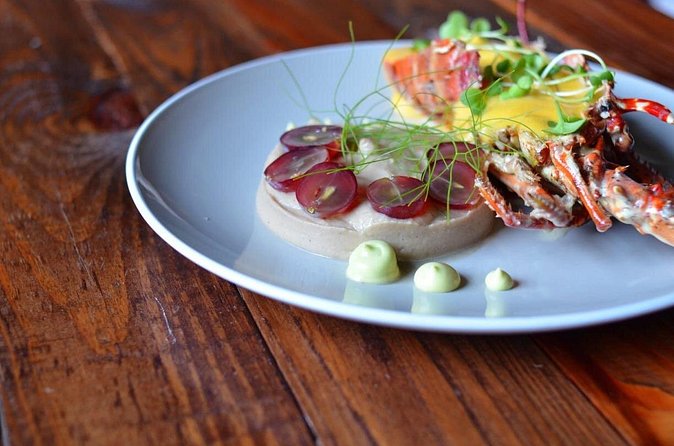
The meal is the heart of the experience. You work toward a seafood dinner centered on Caribbean lobster, with lambí and shrimp also included in the planned preparation. The menu gives you a broader taste of the coast than a lobster-only meal would.
Lobster quality and size can vary. One portion was described as small, while another session produced delicious lobster. That is a practical risk with a seafood class, especially when the portions are not described in detail before booking. If a large lobster dinner is your main goal, a restaurant may offer a more predictable portion.
The cooking method also matters. Lobster is easy to overcook, and one class had trouble with that. A well-run demonstration should explain how to handle the shellfish and how to tell when it is ready. If the chef is doing most of the stove work, you may learn more by watching closely and asking questions than by simply waiting for the finished plate.
Ceviche has appeared in the meal prepared during some sessions, along with mashed potatoes. The advertised plan also names plantain and yuca as typical vegetables. Since menus can shift, you should treat these as the intended style of the meal rather than a guarantee that every dish will appear in exactly the same form.
Once the food is ready, you sit down with the group for dinner. This shared meal is where the class pays off. You can compare the results, try the seafood together, and enjoy a slower meal than you would get from a quick order at a resort restaurant.
A completely different sort of day out of Punta Cana:
- Full-Day Santo Domingo City Tour from Punta Cana
★ 4.5 · 4,500 reviews - Punta Cana: Catamaran Boat to Saona Island with Buffet Lunch
★ 4.4 · 3,822 reviews - Monkeyland and Plantation Safari Tour from Punta Cana
★ 5.0 · 3,805 reviews - Punta Cana Dune Buggy Adventure and Amazing Water Cave
★ 4.5 · 3,411 reviews
Rum tasting, two drinks, and dessert
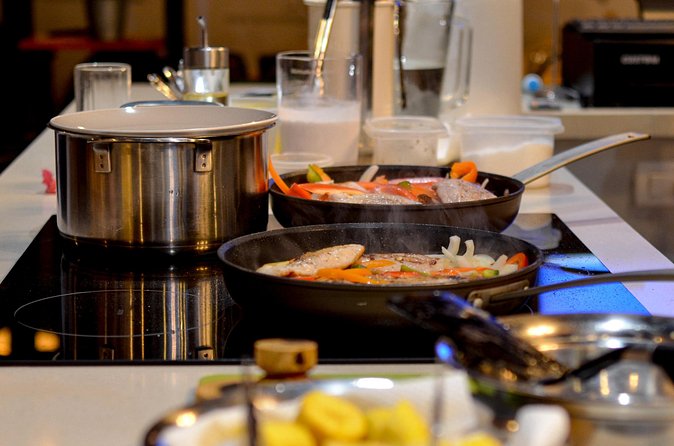
The food lesson is paired with Dominican drinks. Oliver rum and a rum tasting are included, along with two alcoholic drinks. You also receive dessert, with cheesecake specifically enjoyed during one class.
Rum adds a useful cultural layer to the afternoon. Dominican rum is not just a bar pour at this experience. It is part of the tasting and the social side of the meal. The food, rum, and dessert make the session feel like a small evening program rather than a narrow cooking demonstration.
You should plan accordingly if you intend to drink. Pickup and drop-off are included, so you do not need to drive back to your resort. Children can attend if accompanied by an adult, but the alcoholic drinks are naturally for adults.
The promotional description also makes playful reference to seafood as an aphrodisiac and suggests dancing salsa afterward. Treat that as a lighthearted part of the presentation, not as a separate dance class or a promised nightlife program. The confirmed elements are the cooking, meal, drinks, dessert, and transfers.
Is the three-hour format good value at $125?
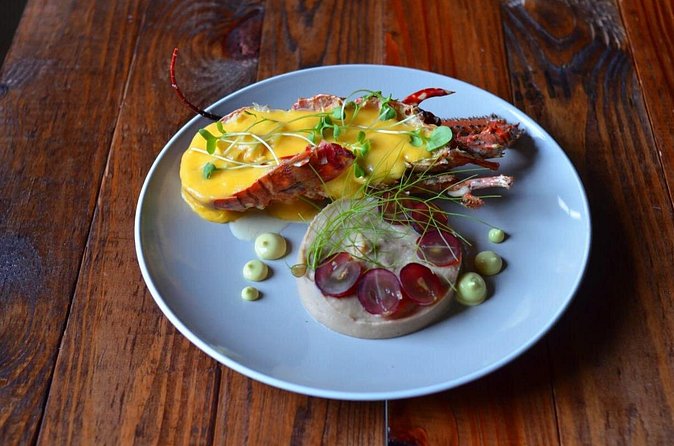
At $125 per person, this is not the cheapest meal in Punta Cana. You are paying for more than the lobster on the plate, however. The price includes hotel transportation both ways, a driver or guide, local taxes, cooking utensils, the class, dinner, beverages, dessert, and two alcoholic drinks.
That package can make sense if you are staying at an all-inclusive resort and want an organized way to spend an afternoon outside the resort bubble. A regular restaurant meal may cost less, but it will not include instruction, a rum tasting, or transportation. You also gain a social activity that works well for couples and families.
The value is weaker if you only want a guaranteed large lobster dinner. Portion size has not always been consistent, and the class format means some of your money goes toward teaching and the overall experience. A person who dislikes group activities or wants complete control over meal preparation may find the price harder to justify.
The maximum group size is 18. That is smaller than a large bus tour, but it is not an intimate private lesson. If your group is assigned to a busy session, you may need to share the workspace and pay attention from a short distance rather than stand directly at the stove.
I see the best value for people who want a cultural food activity, especially on a rainy afternoon or during a longer Punta Cana stay. It is less compelling for someone who has already booked several food tours or who sees the class as simply a way to get lobster.
Who will enjoy this Punta Cana cooking class?
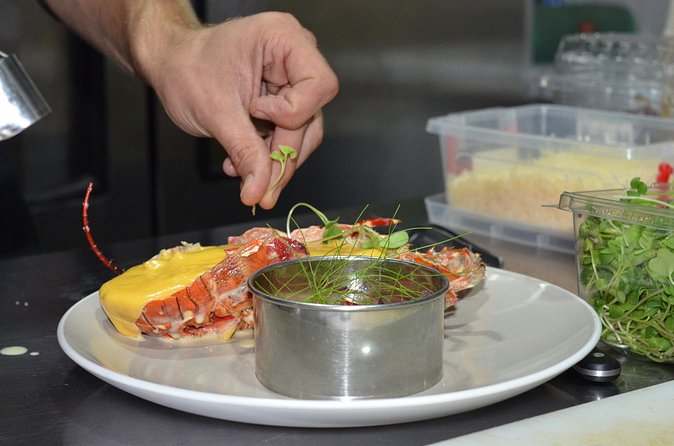
I would recommend it most strongly to:
- Couples who want a relaxed food-based date with rum and dessert
- Families with children who can take part under adult supervision
- First-time cooks who enjoy guided, simple kitchen tasks
- People staying at all-inclusive resorts who want contact with Dominican food culture
- Visitors looking for an indoor afternoon plan
- Anyone curious about lambí, plantain, yuca, and local seafood
You should be more cautious if you need a fully English-language lesson, since the guide may be multilingual and one session had communication problems. You should also ask questions if you want every course prepared from scratch in front of you.
The chef names associated with past sessions include Rudy or Ruddy, Ruth, and Francesca, but your guide is not guaranteed. The quality of the class seems closely tied to who leads it, how clearly the instructions are given, and how much cooking the group is allowed to do.
Practical details that affect your day
Hotel pickup and drop-off are included, as are transfers both ways. You receive a mobile ticket, and booking confirmation is provided at the time of purchase. The meeting or start time is 2:30 pm.
Children must be accompanied by an adult. The activity may use a multilingual guide, and the maximum group size is 18 people. Since the class can include alcoholic drinks, families should decide in advance how much of the tasting is appropriate for each adult and child.
You can cancel for a full refund if you do so at least 24 hours before the local start time. Changes made inside that 24-hour window are not accepted, and a late cancellation is not refunded.
I would wear something comfortable and easy to move in. The experience is built around kitchen participation, though the exact amount of work may vary. If you care about doing the actual preparation, say so at the beginning rather than assuming the chef will assign tasks automatically.
Should you book Caribbean Lobster?
Book this experience if you want a three-hour Dominican food activity, not just a plate of lobster. The combination of seafood preparation, plantain and yuca, rum tasting, dessert, dinner, and hotel transfers makes it a convenient way to step beyond resort dining.
I would especially choose it for a couple, family, or rainy-day plan. The strongest sessions sound warm, social, and genuinely fun, with guides such as Rudy, Ruth, and Francesca helping people feel at ease. The main risk is uneven instruction. If the kitchen is rushed, you may watch more than you cook, and the lobster may not be perfect.
For the best chance of a satisfying visit, ask to participate, request clear measurements, and confirm what seafood and sides are being prepared that day. If you accept the experience as a friendly Dominican cooking workshop with a lobster-centered meal, the $125 price can be fair. If your only goal is a large, expertly cooked lobster, choose a restaurant instead.
FAQ
Where does the cooking class take place?
The experience takes place at Oliver Lab by Taino Gourmet in Punta Cana, Dominican Republic.
What time does the activity start?
The listed start time is 2:30 pm.
How long does the experience last?
The activity lasts approximately three hours.
Is hotel pickup included?
Yes. Hotel pickup and drop-off are included, along with transfers both ways.
What seafood will be used?
The planned cooking experience uses Caribbean lobster, lambí, and shrimp.
Are food and drinks included?
Yes. Dinner and beverages are included, along with dessert and two alcoholic drinks.
Is a rum tasting part of the experience?
Yes. Oliver rum and a rum tasting are included.
Can children participate?
Yes, but children must be accompanied by an adult.
How large can the group be?
The maximum group size is 18 people.
Can I cancel for a full refund?
Yes, if you cancel at least 24 hours before the experience start time. Cancellations or changes made less than 24 hours before the start are not accepted, and the amount paid is not refunded.
Just added around Punta Cana
- Half-Day Punta Cana Booze Party Cruise Experience★ 4.0 · 4 reviews
- Muddy ATV Eco-Adventure from Punta Cana★ 4.0 · 4 reviews
- 3 Days Open Water Diving Course in Punta Cana★ 5.0 · 4 reviews
- Private Fishing charter Punta Cana (Alondra)★ 4.0 · 4 reviews
- Punta Cana Buggy or ATV Adventure to Macao Beach and Taino Cave★ 4.0 · 4 reviews
- Punta Cana: Tour in buggy From Hotel impressive Punta cana★ 3.6 · 4 reviews
- SANTO DOMINGO/ City tour – the best Adventures & traditional★ 5.0 · 4 reviews
- Private Transfer for Puerto Plata★ 4.0 · 4 reviews