
Reviewed · WATER CAVE & CENOTE TOURS
Chocolate Master Class & Taino Concept Store
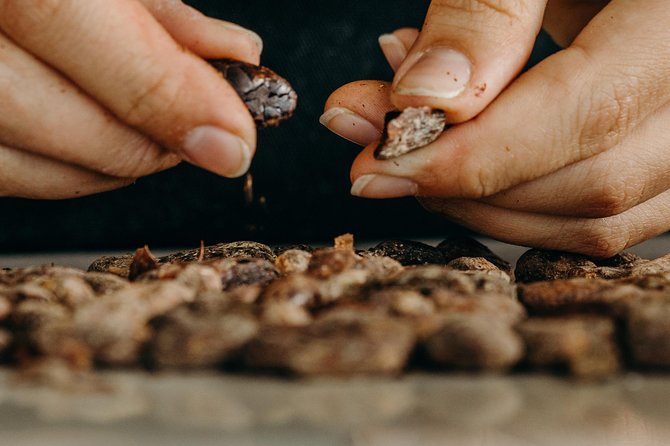
The best part of this Punta Cana outing is that you do not just taste chocolate, you work the cacao yourself. You learn how beans become chocolate, crush and grind cacao, make cacao balls for hot chocolate, and pour liquid chocolate into molds for bark or candy bars.
I like two things right away: the class fits neatly into a vacation day, and you take home everything you make. The staff, especially instructors named Rudy, Felix, Wendell, and Anthony in different sessions, also give this small class a warm, playful feel.
The main caution is timing. The hands-on work can feel brief, and pickup times appear to be approximate. Some groups spent several hours from hotel pickup to hotel return, while the actual chocolate work lasted closer to an hour or less.
In This Review
- Key Points at a Glance
- What Happens Inside Taino’s Kitchen Lab
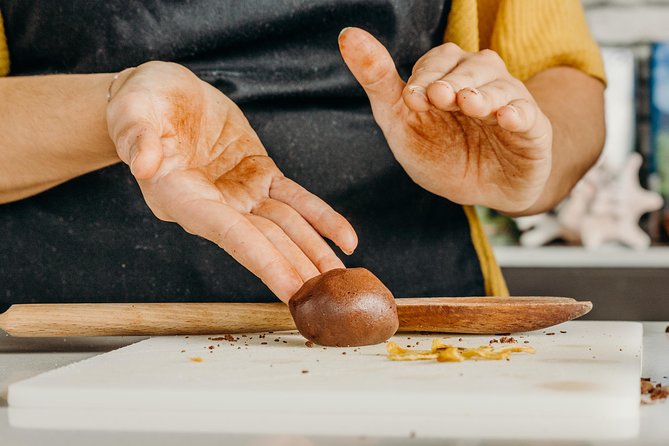
- Grinding Beans and Making Cacao Balls
- Pouring Chocolate Bark and Molded Bars
- The Instructors Make the Difference
- A Class That Works for Families
- The Taino Concept Store Before and After Class
- How Long the Outing Really Takes
- Transport and Group Size
- What Is Included for $57
- What to Wear and What to Bring
- Who Will Enjoy This Most
- Should You Book the Chocolate Master Class?
- FAQ
- How much does the Chocolate Master Class cost?
- How long does the class last?
- Is hotel pickup included?
- Where does the class take place?
- What time does the experience start?
- What will I make?
- Are drinks included?
- Is the activity suitable for children?
- What is the cancellation policy?
Key Points at a Glance
- Hands-on cacao work: Crush and grind beans, shape cacao balls, and make chocolate bark or molded bars.
- Tasting comes first: Sample chocolate in several styles, from white and milk chocolate to very dark 100 percent cacao.
- Small-group setting: The class allows up to 18 people, with some sessions much smaller.
- Hotel pickup is included: Round-trip transport is offered from your Punta Cana hotel.
- A useful souvenir: You take home the chocolate you make, along with a better sense of how cacao is processed.
- Time planning matters: The class is advertised at about one hour, but transport, shopping, and setting time can lengthen the outing.
What Happens Inside Taino’s Kitchen Lab
The experience takes place at Taino Gourmet’s Kitchen Lab, at Cormont Plaza II on Boulevard Turístico del Este. The address is 3.5 kilometers along the boulevard, in Local 26, Punta Cana.
Once you arrive, the class begins with an introduction to cacao and its place in chocolate making. This is not simply a quick candy demonstration. You get a look at the raw ingredients and the tools involved, then taste different chocolate samples before handling the product yourself.
One useful part of the opening session is the comparison of chocolate percentages. You may taste white chocolate, milk chocolate, 60 percent, 70 percent, 85 percent, and 100 percent chocolate. The last one has no sugar and tastes sharply bitter, which makes the difference between sweet candy and pure cacao clear in a single bite.
The class also touches on the history of the cacao fruit and Indigenous connections to cacao. If that subject interests you, pay close attention during the introduction. The historical portion can be fairly short, and one area for improvement would be giving the Olmec and Indigenous background more time.
More water caves and cenotes near Punta Cana:
- Punta Cana Dune Buggy Adventure and Amazing Water Cave
★ 4.5 · 3,411 reviews - Half-Day Adventure 4×4 ATV, Water Cave and Dominican Culture
★ 4.5 · 3,394 reviews - Half-Day Buggy Tour to Water Cave and Macao Beach
★ 4.5 · 2,587 reviews
Grinding Beans and Making Cacao Balls
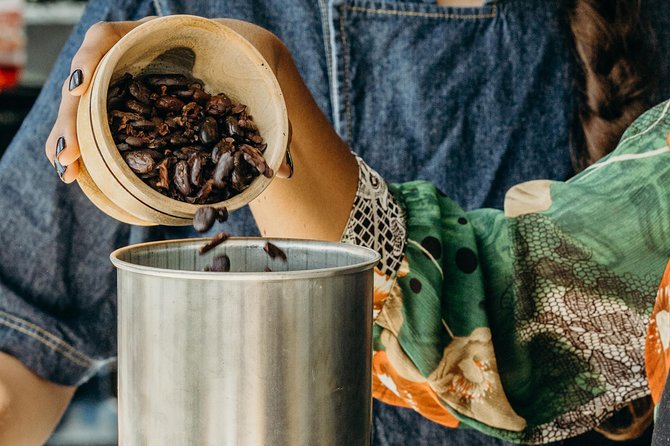
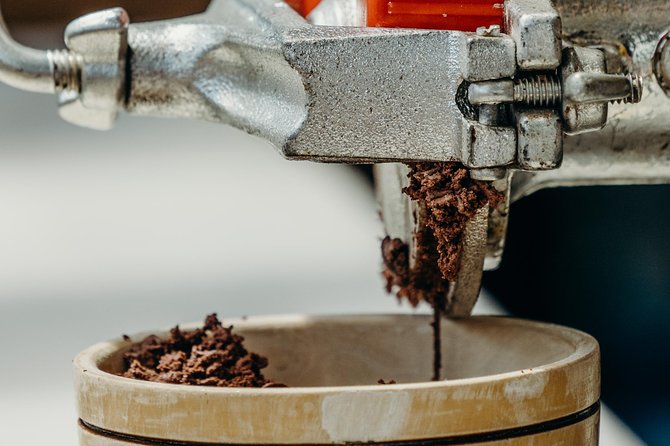
The most physical part of the class is working with the cacao beans. You crush them and then grind them by hand, which takes some effort. Three sisters in one session found this surprisingly demanding, especially when working the beans and later tempering the chocolate.
That hands-on labor is valuable because it shows how far the finished candy in a shop is from the raw ingredient. You do not need professional cooking skills, and the necessary equipment is supplied, but this is not a sit-back-and-watch demonstration.
The cacao balls are one of the more distinctive things you make. They can be used later for hot chocolate, and one participant planned to add them to protein shakes at home. They are not just decorative sweets, so this part gives you a souvenir with a practical use.
The work can get messy. Wear clothing that you will not mind spotting with chocolate. You may also need a bit of upper-body strength for crushing, grinding, and handling the chocolate properly.
Pouring Chocolate Bark and Molded Bars
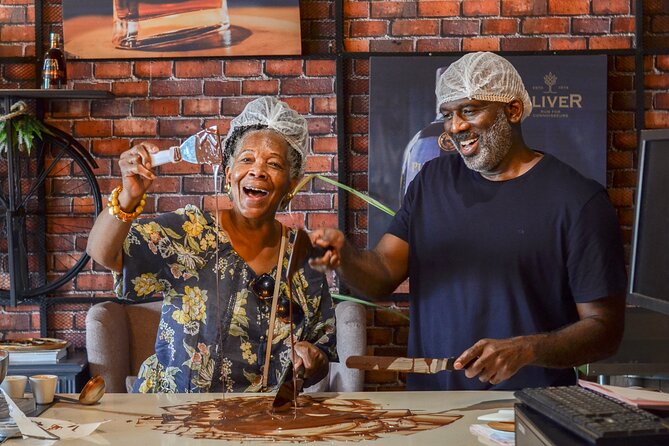
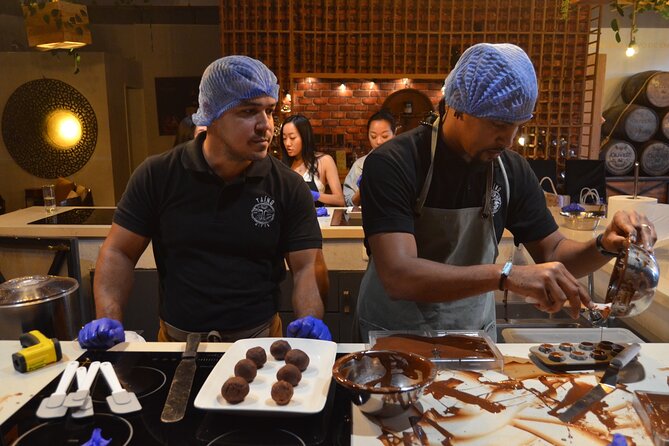
After working with the cacao, you make chocolate bark or molded chocolate bars from liquid chocolate. Toppings are added at the workstations, and the finished pieces are placed aside to set.
Tempering is part of the lesson. You learn that chocolate needs to be handled at the right temperature if you want it to set properly and look presentable. This sounds simple, but it can be a little tricky in practice. A few pieces in one session had to be reheated before they could be molded correctly.
The result varies with the size of your group and the setup that day. Some small groups made several bars or large platters of chocolate with different toppings. Other sessions focused on cacao balls and bark, with less variety than some people expected.
That difference matters if you are hoping to make white, milk, and dark chocolate creations. The core activity centers on cacao balls and chocolate bark, so do not book it expecting a full confectionery course with many recipes.
The Instructors Make the Difference
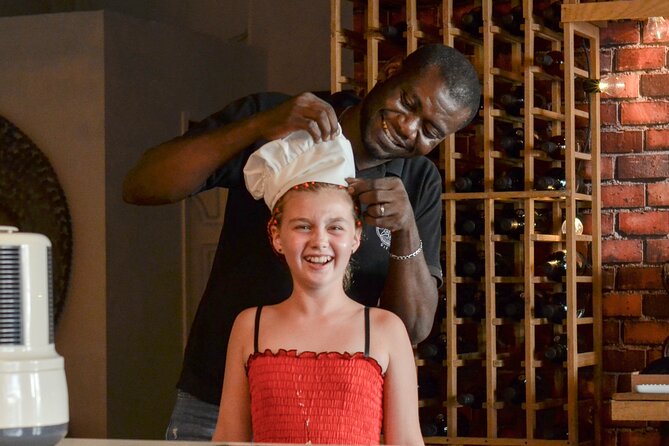
The strongest part of this experience is often the person leading the class. Rudy is described as patient, funny, and clear in English. Felix handled the opening explanation and tasting in another session, while Wendell gave a cacao presentation for a family group. Anthony received especially warm praise for helping children while making sure the adults stayed involved.
The teaching style can vary. A good instructor turns the class into a social activity, explains each step, and keeps an eye on every station. That is especially important when the group is split between work areas.
There is one practical sound issue to keep in mind. In a larger class, it may be hard to hear the instructor, particularly if he talks for a long time without moving between couples or stations. If you arrive late because the pickup time was unclear, you may also miss part of the opening and need a repeat explanation.
The class size is capped at 18 people, but it may be much smaller. One group had only five participants, while another had eight. A small class gives you more room to ask questions and more direct help with tempering and molding.
More cultural days in Punta Cana:
- Half Day Dominican Republic Cultural Tour : Small Group
★ 4.5 · 1,862 reviews - From Punta Cana: Higuey Expedition Cultural & Historic Tour
★ 4.7 · 518 reviews - Buggy Tour Punta Cana: MagicalCaves ,Dream Beaches & Culture
★ 5.0 · 388 reviews - 4×4 ATV Adventure in Punta Cana: Cave & Dominican Culture
★ 4.5 · 310 reviews
A Class That Works for Families
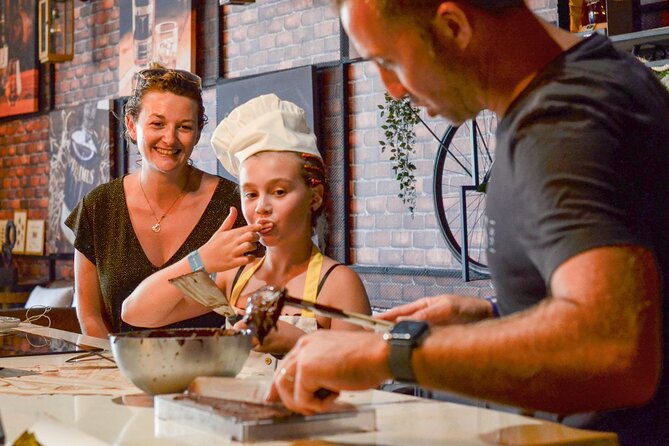
This is one of the better Punta Cana options for families who want a calm activity instead of a high-energy excursion. Children as young as three and five took part with their parents, and older children around nine and eleven were also included in the process.
The work is tactile and easy to understand. Kids can taste the chocolate, help shape cacao balls, add toppings, and watch the bars harden. The instructors have also been attentive to children, which makes the class easier for parents.
Still, chocolate work has a few limits for very young children. The process involves equipment, temperature control, and some manual effort. You will need to stay involved rather than handing the entire activity over to a child.
Adults without children can enjoy it just as much. The small-group format suits couples, friends, and older adults looking for something different from a beach day. Three sisters in their 50s found the physical work rewarding, even though grinding and tempering took effort.
The Taino Concept Store Before and After Class
The Kitchen Lab is connected to a polished shop selling local products, chocolates, alcohol, art, souvenirs, and items connected with Indigenous culture. The shop gives you something to do while the chocolate sets, and it can also turn the class into a small shopping stop.
The atmosphere is described as classy and well organized. Prices were considered reasonable, and the staff were not pushy about purchases. That is a welcome feature in a vacation shopping stop.
The store may be warm, though. One family found the temperature uncomfortable but manageable. Plan to spend some time there if your chocolate needs to harden, but do not confuse the shop visit with extra class instruction.
The cacao products make especially good souvenirs because they connect directly to what you learned. Several people wanted a way to order the products online after returning home, although online availability is not confirmed here. If you see something you want, buying it during the visit may be the practical choice.
How Long the Outing Really Takes
The advertised class duration is about one hour. The actual hands-on section may be shorter in some sessions, especially if the chocolate is already prepared for molding.
One participant timed the active chocolate work at roughly 20 minutes, followed by about 20 minutes while the bark set. That person then packaged the chocolate and left. For this kind of schedule, the outing can feel more like a short workshop plus transport and shopping than a full afternoon class.
Other groups had a longer session. One family’s actual class ran from 3:30 to 4:45, with hotel pickup around 2:00 and return around 5:45. This shows why you should allow extra time beyond the one-hour estimate.
Pickup timing also needs care. The stated start time is 1:00 p.m., but some pickup times have been treated as approximate. One family was collected at 1:30 for a class expected to begin at 1:30, only to find that the guide had already started. Another group was picked up well before the class began and waited at the shop.
Confirm the pickup details when you book, and keep your schedule loose. This is not the right activity to place between two tightly timed reservations.
Transport and Group Size
Round-trip hotel pickup is included, which adds real value in Punta Cana. You do not need to arrange a taxi to Cormont Plaza II, and one family described the ride as air-conditioned and roughly 20 minutes each way.
The transport is convenient, but it can also be the least efficient part of the day. One group spent more time waiting for the return bus than making chocolate. If your main goal is the workshop, that delay may make the experience feel out of proportion to the activity itself.
The maximum group size is 18. That is not a private lesson, but it remains manageable if the class is divided among several stations. Smaller groups of five or eight are likely to feel more personal.
The vehicle arrangement and pickup time may affect the total length more than the class itself. I would treat the one-hour figure as hands-on instruction, not door-to-door duration.
What Is Included for $57
At $57 per person, the price needs to be judged against what you value. You receive hotel pickup, the class, equipment, cacao instruction, tastings, two soft drinks, and the chocolate you make. You also avoid spending much of your vacation day on a full-length excursion.
The take-home sweets are the clearest part of the value. You are not paying only for a demonstration and a few samples. You leave with cacao balls and chocolate bark or bars, depending on the session, and those creations can be shared later.
The transport is another useful inclusion, especially if your hotel is not close to the shop. The experience also offers something beyond standard sightseeing: you handle a Dominican ingredient and learn a basic production process.
The value is weaker if you expect a long, elaborate class. Some people felt the active work was too brief, and the advertised entertainment or surprise contest did not appear in at least one session. The two included drinks are listed as soft drinks, but one participant received water, so do not assume a special beverage selection.
For a short, low-stress activity with food to take home, the price is reasonable. For a serious pastry student or someone seeking several hours of instruction, it may feel expensive for the amount of hands-on time.
What to Wear and What to Bring
Wear clothes that can handle chocolate spots. The process includes grinding, pouring, molding, and adding toppings, so neat resort clothing is not the best choice.
You do not need to bring cooking equipment. All necessary equipment is provided, and a mobile ticket is accepted. Confirmation is issued at booking.
Bring patience for the setting time and shop stop. Your chocolate may need to harden before it can be packaged, and the return transfer may not leave immediately.
If you have a strict afternoon plan, ask about the pickup and expected return time before booking. The class itself may last about an hour, but the full outing can be considerably longer.
Who Will Enjoy This Most
You should book this if you want a family-friendly food activity that does not take up an entire day. It works well for children, couples, friends, and anyone who wants a break from water sports or resort lounging.
It also suits chocolate lovers who want to compare cacao percentages and taste very dark chocolate. The 100 percent sample is particularly useful if you have always wondered why unsweetened chocolate tastes so different from a candy bar.
This is less suitable if you dislike shopping stops, want a highly technical cooking lesson, or need exact timing. It may also disappoint you if you expect to make several kinds of chocolate, including milk and white chocolate, during every session.
The experience is accessible to a range of ages, but the manual grinding and tempering require some effort. Parents of very young children should expect to help.
Should You Book the Chocolate Master Class?
I would book this class for a relaxed Punta Cana afternoon, especially if you are staying near the pickup area and have room in your schedule. The best reasons are the hands-on cacao work, friendly instructors such as Rudy and Anthony, family appeal, and the chocolate you take home.
I would not book it as a major all-day excursion. The workshop may be short, the entertainment portion may not always happen, and pickup or return delays can stretch the outing. Go for a pleasant introduction to cacao, not a professional chocolate course.
The experience has a 4.8 out of 5 rating from 43 recorded ratings, with 95 percent recommending it. Those figures fit the practical picture: the staff and hands-on work are the main strengths, while timing and the limited amount of active making are the main concerns.
Free cancellation is available up to 24 hours before the start time for a full refund. Changes or cancellations inside that window are not accepted for a refund, and a minimum number of participants is required for the class to operate.
FAQ
How much does the Chocolate Master Class cost?
The listed price is $57 per person.
How long does the class last?
The class is advertised as approximately one hour. The complete outing can take longer because of hotel pickup, shopping, chocolate setting time, and the return transfer.
Is hotel pickup included?
Yes. Round-trip transportation from your hotel is included.
Where does the class take place?
The class takes place at Taino’s Kitchen Lab, Boulevard Turístico del Este, 3.5 km, Cormont Plaza II, Local 26, Punta Cana, Altagracia, 23000.
What time does the experience start?
The stated start time is 1:00 p.m. Pickup times may be approximate, so confirm the exact collection time when booking.
What will I make?
You make cacao balls from ground beans and chocolate bark or molded chocolate bars from liquid chocolate. You take home the chocolates made during the class.
Are drinks included?
Yes. Two soft drinks are included. The exact drink provided can vary, and water was provided in at least one session.
Is the activity suitable for children?
Yes. Children as young as three and five have taken part, and the class is presented as suitable for families. Adults should expect to help younger children with the hands-on work.
What is the cancellation policy?
You can cancel at least 24 hours before the experience start time for a full refund. Cancellations or changes made less than 24 hours in advance are not accepted for a refund. If the required minimum number of participants is not met, you will be offered another date or experience, or a full refund.
More Dessert Tours in Punta Cana
- Road Off Half Day Buggy with Chocolate and Coffee Tasting
★ 5.0 · 326 reviews - ATV Adventure w/ Chocolate, Coffee & Cave Swim in Punta Cana
★ 5.0 · 178 reviews - ATV OR BUGGY Ride Into the jungle with cave coffee & chocolate
★ 5.0 · 73 reviews - Punta cana Boogie into the Jungle with Coffee and Chocolate Taste
★ 4.5 · 64 reviews
More Chocolate and Coffee Tours
- 4×4 Dominican Adventure with Chocolate and Coffee Tasting
★ 5.0 · 2,920 reviews - 4×4 ATV Experience, Water Cave, Chocolate and Coffee Tasting
★ 5.0 · 1,430 reviews - Buggy Adventure Tour with Chocolate and Coffee in Punta Cana
★ 5.0 · 953 reviews - Buggy Ride Into the jungle with cave coffee & chocolate tasting
★ 5.0 · 465 reviews
Just added around Punta Cana
- Half-Day Punta Cana Booze Party Cruise Experience★ 4.0 · 4 reviews
- Muddy ATV Eco-Adventure from Punta Cana★ 4.0 · 4 reviews
- 3 Days Open Water Diving Course in Punta Cana★ 5.0 · 4 reviews
- Private Fishing charter Punta Cana (Alondra)★ 4.0 · 4 reviews
- Punta Cana Buggy or ATV Adventure to Macao Beach and Taino Cave★ 4.0 · 4 reviews
- Punta Cana: Tour in buggy From Hotel impressive Punta cana★ 3.6 · 4 reviews
- SANTO DOMINGO/ City tour – the best Adventures & traditional★ 5.0 · 4 reviews
- Private Transfer for Puerto Plata★ 4.0 · 4 reviews
Water Cave & Cenote Tours, compared.
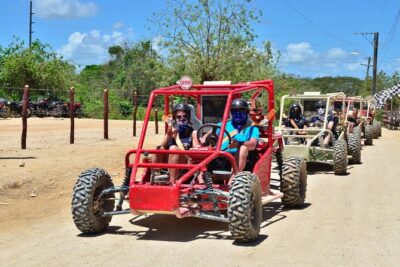
Punta Cana Dune Buggy Adventure and Amazing Water Cave
Read our review →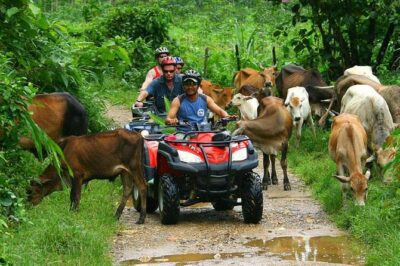
Half-Day Adventure 4×4 ATV, Water Cave and Dominican Culture
Read our review →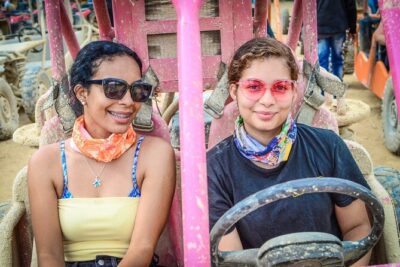
Half-Day Buggy Tour to Water Cave and Macao Beach
Read our review →
ATV Adventure to Water Cave and Macao Beach in Punta Cana
Read our review →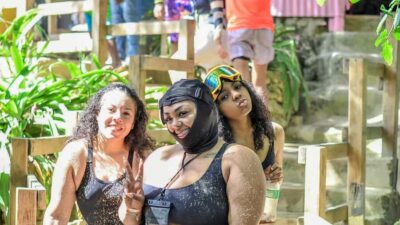
Punta Cana Buggy & ATV Tour: Cave, Macao Beach, Free Pick-Up
Read our review →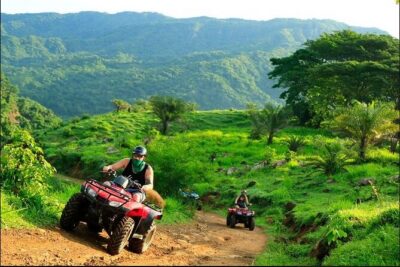
4×4 ATV Experience, Water Cave, Chocolate and Coffee Tasting
Read our review →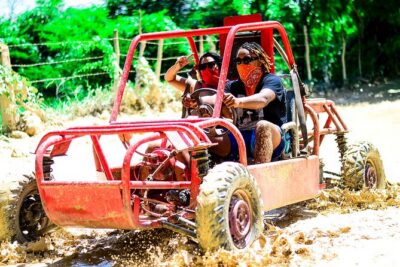
Buggy Tour to Macao Beach and Water Cave with Organic Farm
Read our review →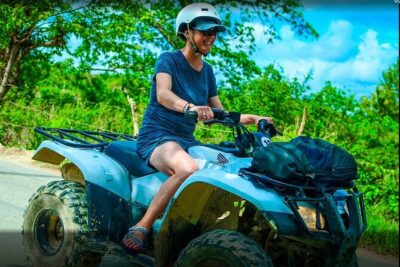
Half Day ATV Adventure Water Cave Authentic Eco Tour At PuntaCana
Read our review →Browse the lists this tour appears in